Full-Depth Patches That Perform Like the Pavement Around Them
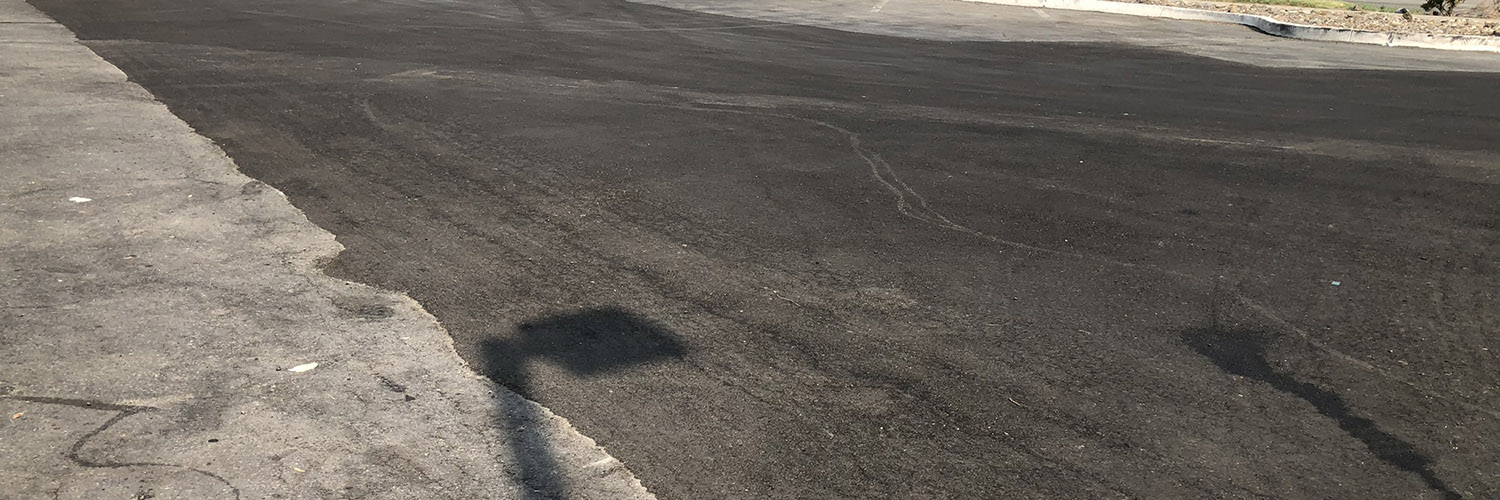
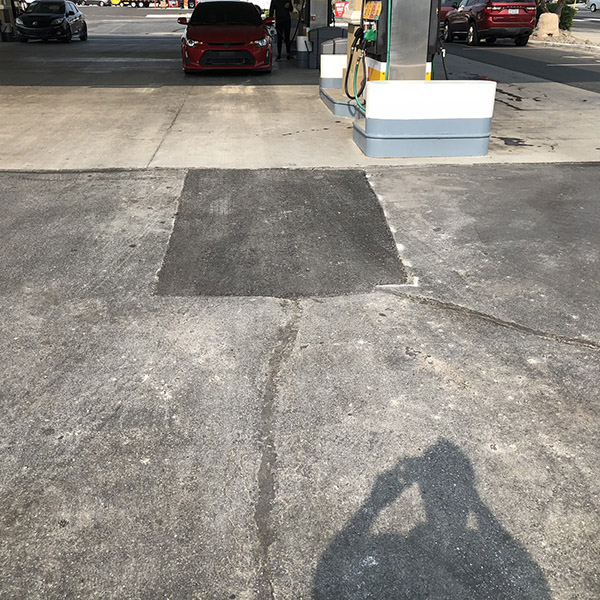
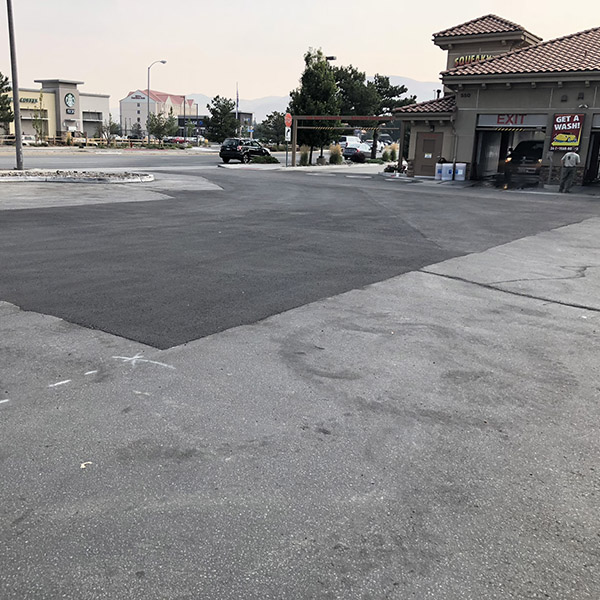
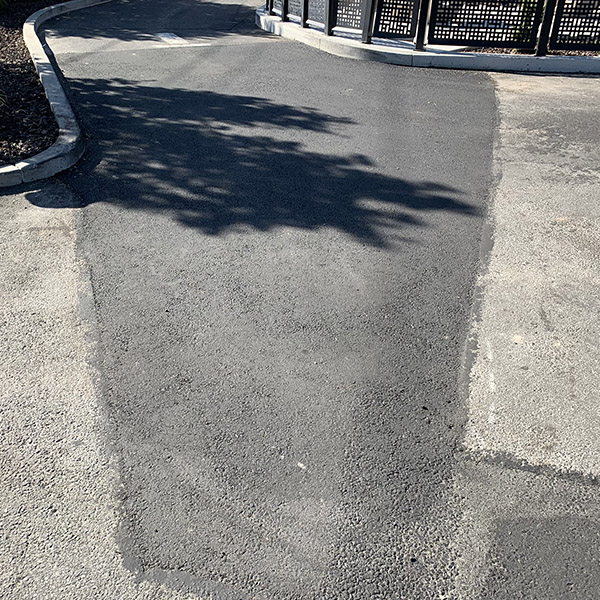
The fix for a failed section of pavement is a squared, full-depth patch with a properly prepared opening and hot mix compacted to real density. That is the entire solution, and it works reliably when it is done that way.
What does not work is the version most properties have seen: material shoveled into a broken-out hole, tamped down, and left with ragged edges that admit water within a season. Asphalt Protectors has spent over 35 years of repair work in this region watching that approach fail, which is why we do not offer it.
Our patches carry our name, and we back them. If one has a problem, we come out and deal with it.
Common Problems That Call for Patching
- Isolated Structural Failures — Defined areas where the pavement has broken down while the surrounding surface remains sound
- Alligator-Cracked Sections — Scaled cracking zones that indicate the section needs removal rather than surface treatment
- Deteriorated Utility Cuts — Previous trench work that settled or was never restored to proper compaction
- Failed Prior Patches — Old repairs separating at the seams because edges were never cut vertically
- Depressions and Birdbaths — Settled areas that collect water and accelerate deterioration around themselves
- Damage at Loading Areas — Concentrated failure at dumpster approaches and delivery zones where load exceeds the original design
Our Patching Solution
- Assessment and Layout – We square the repair area out to sound material, since damage extends further than it appears
- Saw Cutting – Diamond-blade cuts produce vertical faces that give new asphalt genuine surface to bond against
- Full-Depth Excavation – Compromised material comes out entirely rather than getting covered over
- Base Inspection and Repair – With the section open we evaluate what is underneath and correct it before proceeding
- Tack Coat – Cut faces are coated so the patch bonds to the surrounding pavement instead of sitting loose within it
- Hot Mix Placement – Material placed in lifts sized to the depth, not dumped in one mass
- Mechanical Compaction – Each lift compacted to density with equipment, verified against our QC standards shaped by engineering firms
What Makes Our Patches Last
A patch fails at its edges before it fails anywhere else. Water finds the seam, works down into the base, and lifts the patch out from underneath over a few freeze cycles. Vertical saw-cut faces and proper tack coat are what prevent that.
Density is the second half of it. Hand-tamped material is porous, and porous asphalt absorbs water instead of shedding it. We compact patches mechanically, in lifts, to the same standard we hold on new pavement.
And we look underneath. A patch placed over saturated or failed base will settle no matter how well the asphalt itself is installed, so the base gets addressed while the section is open.
Why Choose Asphalt Protectors for Patching
- Over Three Decades of Repair Work Here – We have opened enough sections in this region to recognize what is underneath before we cut
- Cutting and Patching Under One Contractor – Preparation and placement handled by the same crew, so nothing gets compromised in the handoff
- Engineering-Shaped Quality Standards – We consistently work with engineering firms to update and upgrade how we verify finished work
- Proper Equipment on Small Jobs – Compaction equipment shows up for patches, not just for full paving projects
- Licensed in Two States – Nevada Contractor License 0058389 (A-16, A-8) and California Contractor License 1053257
- Accountability Afterward – A patch with a problem is our responsibility, and we treat it that way
Asphalt Patching FAQs
Related Services
Patching works alongside these services:
- comprehensive repair solutions – Broader repair work when problems extend past isolated sections
- permanent pothole solutions – Targeted repair for the specific failure type potholes represent
- precise saw cut and removal – The preparation step that determines whether a patch holds
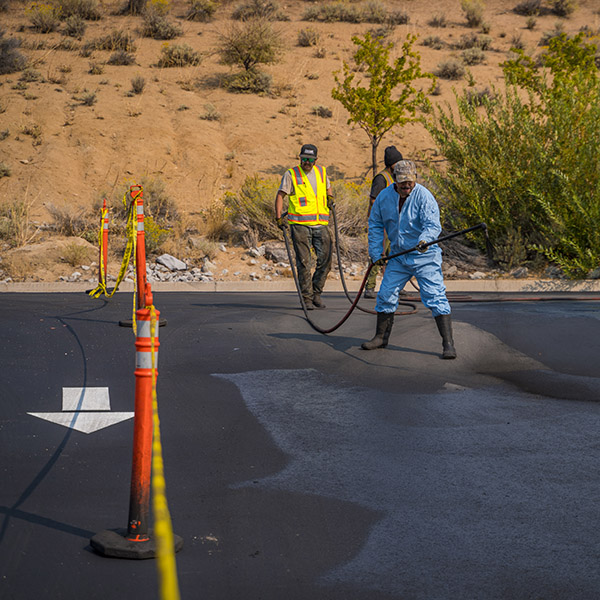
- protective sealcoating – Sealing after patching helps blend repairs and protects the whole surface
Schedule Patching Service
If sections of your pavement have failed while the rest is still sound, patching is likely the efficient answer. Contact Asphalt Protectors Inc. in Reno, NV to schedule an assessment anywhere in our Northern Nevada and Northeastern California coverage area.
Asphalt Protectors Inc.
14010 Mount Anderson St
Reno, NV 89506
Phone: (775) 827-5666
Receive an Estimate
Monday–Friday: 8am–4pm