Precision Overlay Work Using Modern Paving Equipment
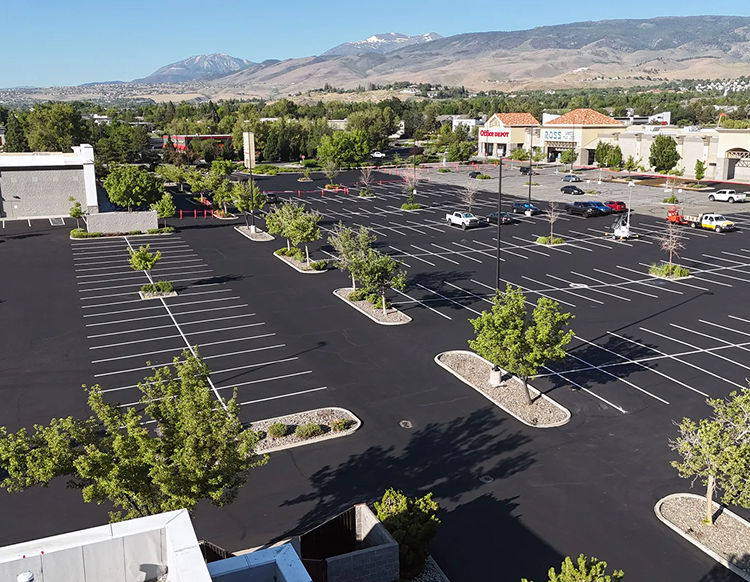
An asphalt overlay is a new layer of hot mix asphalt placed over existing pavement that is still structurally sound. Done correctly, it restores the surface and adds 10 to 15 years of service life for a fraction of what full replacement costs. Done poorly, it fails within a few seasons.
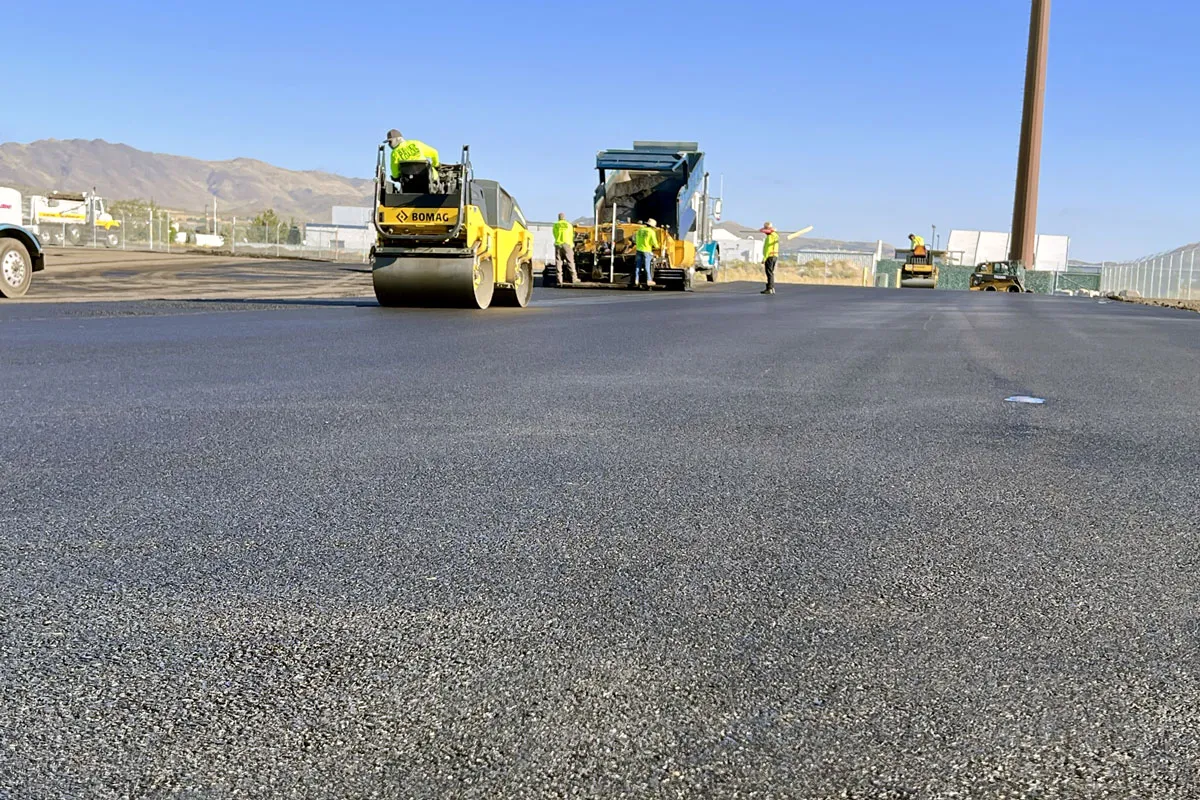
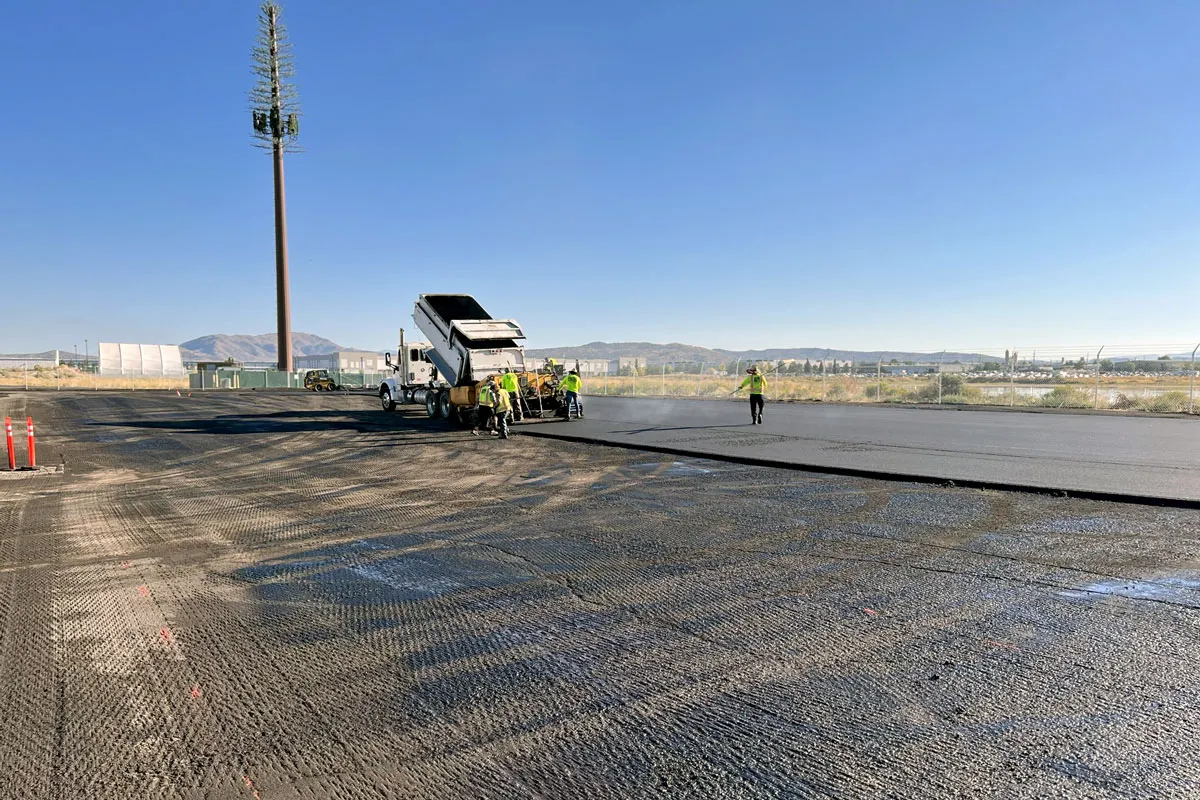
The difference is almost entirely a matter of equipment and precision. Asphalt Protectors runs top-of-the-line paving machines out of our Reno, NV shop, and our crews control mat thickness, joint construction, and compaction to tolerances that older or poorly maintained equipment simply cannot hold.
We have been running overlays across this region since 1989, and our quality control process gets reviewed and upgraded with outside engineering input.
What an Asphalt Overlay Is
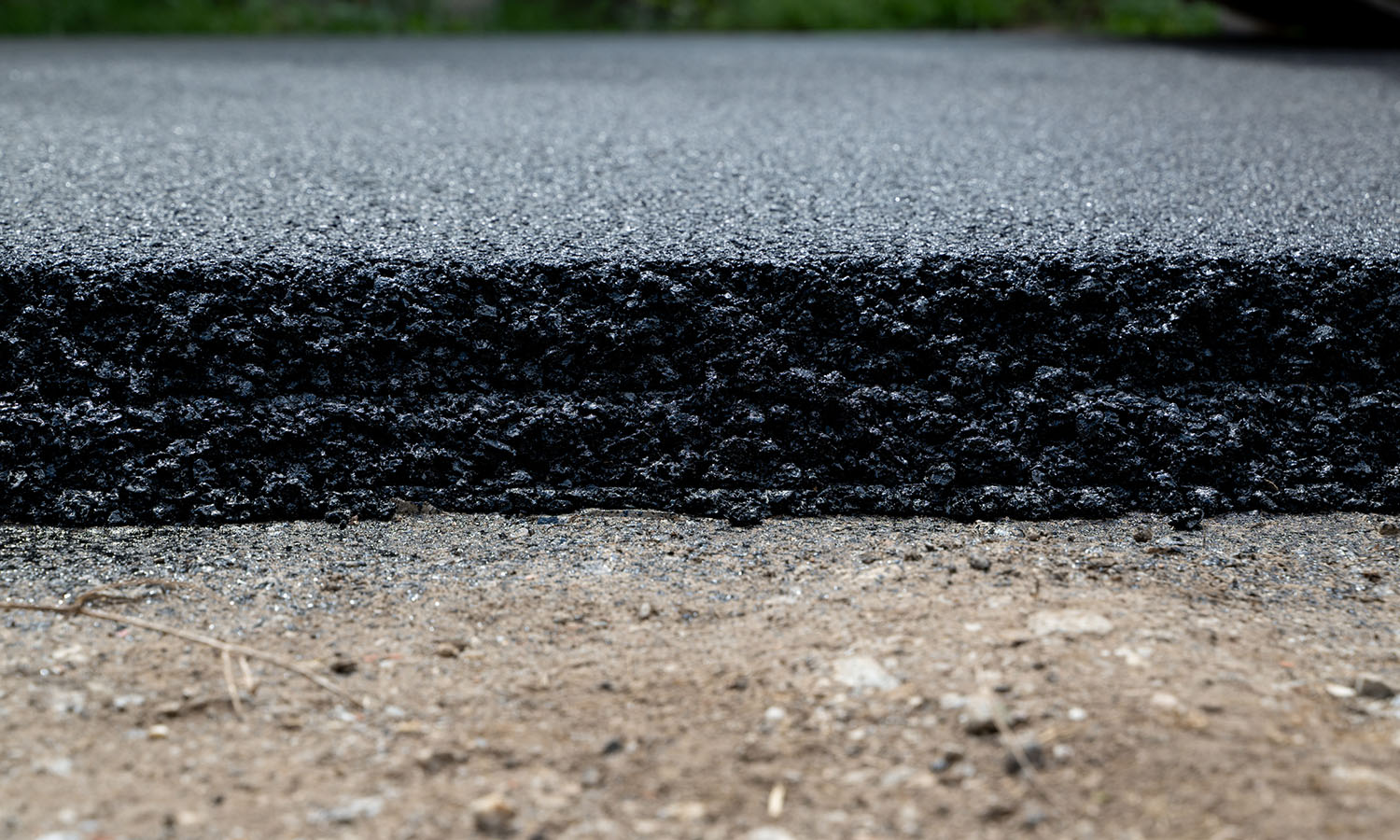
An overlay bonds a fresh asphalt layer to your existing surface. The old pavement stays in place and continues to carry structural load, while the new layer handles wear, water, and appearance.
This only works when the underlying pavement is still doing its job. If the base has failed, an overlay just puts a new surface over a moving foundation, and the cracks come back through within a couple of years.
Part of our job is telling you which situation you are actually in. We would rather turn down an overlay than install one we know will fail.
Types of Overlay Available
- Standard Overlay — New asphalt placed directly over prepared existing pavement where grades and drainage still work
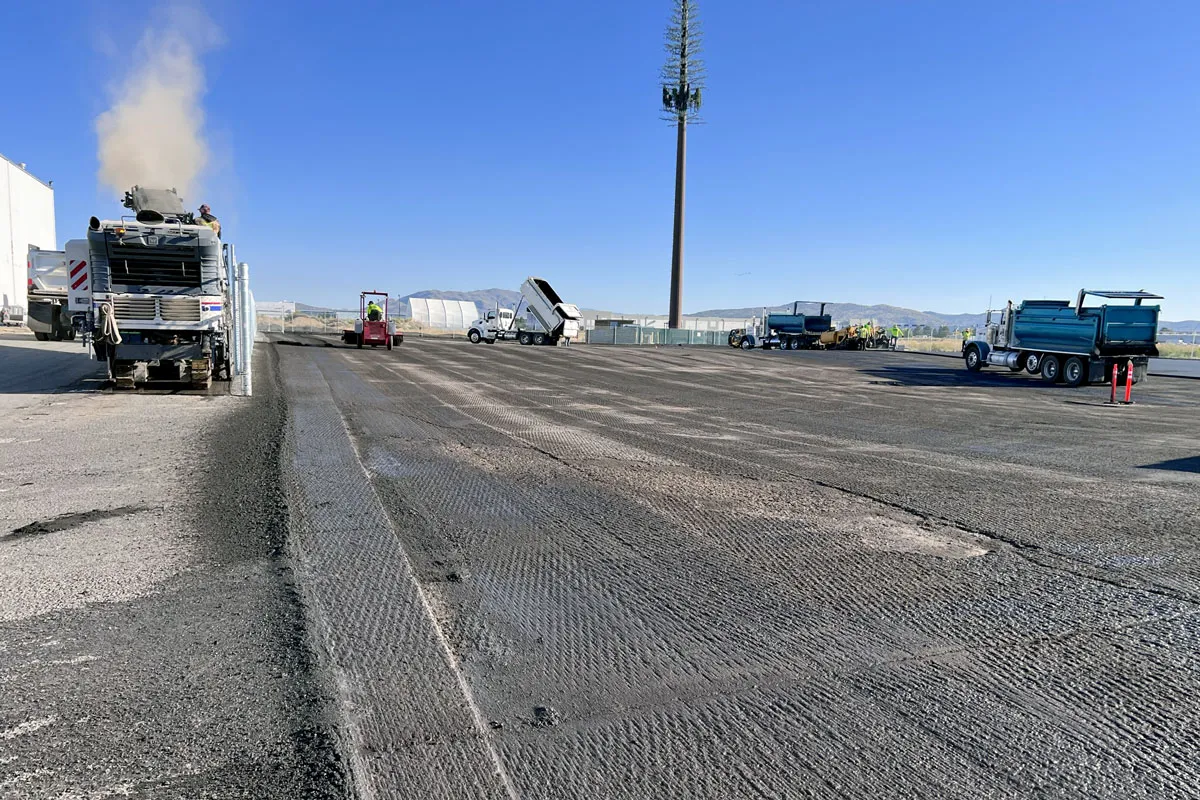
- Mill and Overlay — The top layer is milled off first, preserving existing elevations at curbs, drains, and building thresholds
- Partial-Depth Milling With Overlay — Selective milling in failed areas, then a uniform overlay across the whole surface
- Leveling Course Plus Overlay — A leveling layer corrects surface irregularities before the final wearing course goes down
- Structural Overlay — A thicker application that adds load-carrying capacity where traffic demands have increased
Our Overlay Process
- Structural Evaluation – We determine whether the existing pavement can genuinely support an overlay, and say so plainly if it cannot
- Repair of Failed Areas – Potholes, alligatored sections, and base failures get addressed first, because an overlay will not fix them
- Crack Treatment – Existing cracks are cleaned and sealed to slow reflective cracking through the new layer
- Milling Where Needed – Where elevations must be preserved at curbs and drains, we mill to make room for the new material
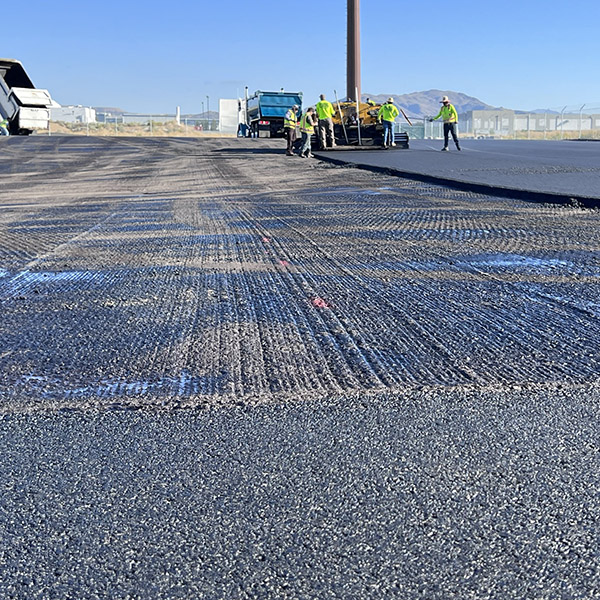
- Tack Coat Application – A properly applied bonding layer is what makes the overlay act as one surface with the pavement below
- Paving and Compaction – Modern pavers hold consistent mat thickness while rollers bring the layer to specified density
- Verification – Our engineering-informed QC process confirms thickness and density before we call the job finished
Benefits of Overlay in Northern Nevada
- Substantial Cost Savings — Overlay typically runs well below the cost of full removal and replacement
- Much Shorter Downtime — No excavation means your property is back in service faster
- Renewed Surface Life — A properly bonded overlay adds 10 to 15 years to pavement that was headed toward failure
- Improved Water Shedding — A fresh, tight surface sheds water instead of letting it soak toward the base through open cracks
- Immediate Appearance Change — The property looks new the day we finish
- Less Waste — Keeping the existing pavement in place means far less material hauled off site
Why Choose Asphalt Protectors for Overlay Work
- Equipment That Holds Tolerance – Overlay is precision work, and our modern pavers and rollers deliver the consistency the job demands
- 37 Years of Local Pavement Experience – We can read whether your surface is a genuine overlay candidate or a replacement waiting to happen
- Engineering-Reviewed Quality Control – We work with engineering firms to keep our verification process current rather than relying on habit
- Honest Assessment – We will tell you when an overlay is the wrong call, even though it costs us the sale
- Dual-State Licensing – Nevada Contractor License 0058389 (A-16, A-8) and California Contractor License 1053257
- We Fix What Needs Fixing – If an issue surfaces after we finish, you call and we handle it
Asphalt Overlay FAQs
Related Services
Overlay work often connects to these services:
- asphalt milling services – Removing the top layer first preserves existing grades and drainage
- expert asphalt paving – The paving fundamentals behind every overlay we install
- full removal and replacement – The right answer when the base underneath has already failed
- asphalt sealing services – Protect the new overlay surface from UV and moisture damage
Find Out If an Overlay Is Right for Your Pavement
We will evaluate your surface and give you a straight answer about whether an overlay makes sense. Contact Asphalt Protectors Inc. in Reno, NV to schedule an assessment anywhere across our Northern Nevada and Northeastern California service region.
Asphalt Protectors Inc.
14010 Mount Anderson St
Reno, NV 89506
Phone: (775) 827-5666
Receive an Estimate
Monday–Friday: 8am–4pm